Section One

Weekly AI Dispatch

Week of May 11, 2026

Join the Circle

Three points. No fluff. Every Monday.
What Dropped
What Dropped

The week AI's valuation ceiling got shattered

What Matters
What Matters

The $900B Number Changes Every Negotiation in AI

What's Overhyped
What's Overhyped

The OpenAI 'AI-First Device' Narrative

Previous dispatches

Section Two

The Stack

Personal, opinionated tool curation — not a directory. Tools used as a thinker + creator, not as a developer. Updated quarterly.
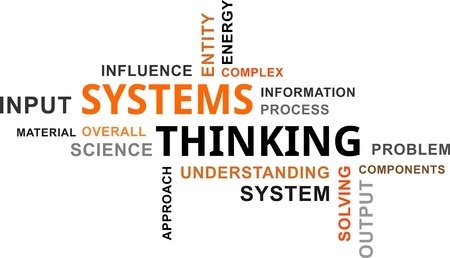
Thinking in Systems
Thinking in Systems
Before knowing the tech stack, tools I use, I want you to know the ideology of my working.
Strategic planning, problem-solving, understanding complex systems, making better long-term decisions.
Systems thinking reveals root causes instead of symptoms. Essential for navigating complexity in AI, business, and life.
Thinking · Free
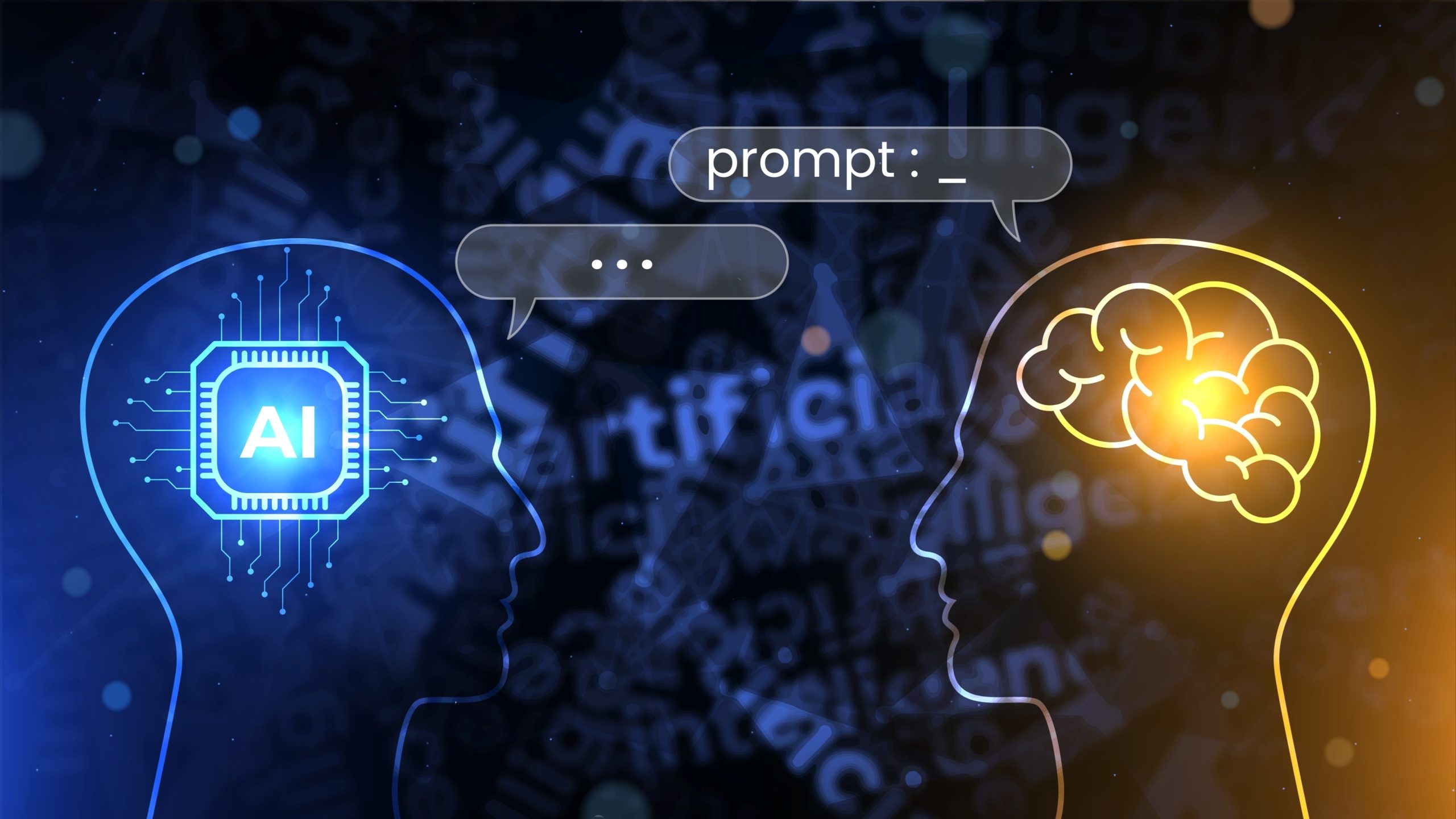
Top 1% AI Prompter
Top 1% AI Prompter
In today's world, more than any technical skill, communication is what creates the biggest difference. Having knowledge is not enough — you must be able to articulate it clearly.
• Modern communication is no longer limited to humans; it now also includes communicating with AI through prompting. • The better you explain your thoughts and instructions to AI, the better results you get. So before discussing the tools I use, it's important to understand how I communicate my ideas and requirements effectively.
View Pipeline →Cheatsheet →
Learning · Free
Windsurf AI
Windsurf AI
AI-powered coding assistant with deep context awareness and multi-file understanding.
• Mailcrux (email summarization powered by NLP) • pharmaCommute (inventory management for pharmaceutical industry) • Converse (this platform) and many more applications
Coding · Freemium
ChatGPT Images
ChatGPT Images
DALL-E 3 integrated directly into ChatGPT — conversational image generation with natural language refinement.
Quick visual concepts, iterating on designs, generating images through dialogue rather than perfect prompts.
Conversation-based iteration is more intuitive than prompt engineering. Faster feedback loop than standalone image tools.
Image · Paid
The Claude Insider
The Claude Insider
A practical guide to what actually works when using Claude day-to-day. Six things most people don't know until it's too late.
Understand Claude's reasoning style, learn how to prompt for depth, navigate its unique quirks, and get consistently better output.
Documentation · Free
Gemini Mastery Guide
A complete walkthrough of the Gemini ecosystem, from free-tier basics to Pro-tier power use and prompting at the top 1%.
Free vs Pro comparison, model capabilities, Google ecosystem integration, and prompting strategies that unlock Gemini's full potential.
Documentation · Free
The Perplexity AI Research Masterclass
A mental model shift that turns Perplexity from a search tool into a six-phase research pipeline.
Query architecture, Focus Modes, output-first thinking, and how to use Perplexity as a primary research instrument rather than a Google replacement.
Documentation · Freemium
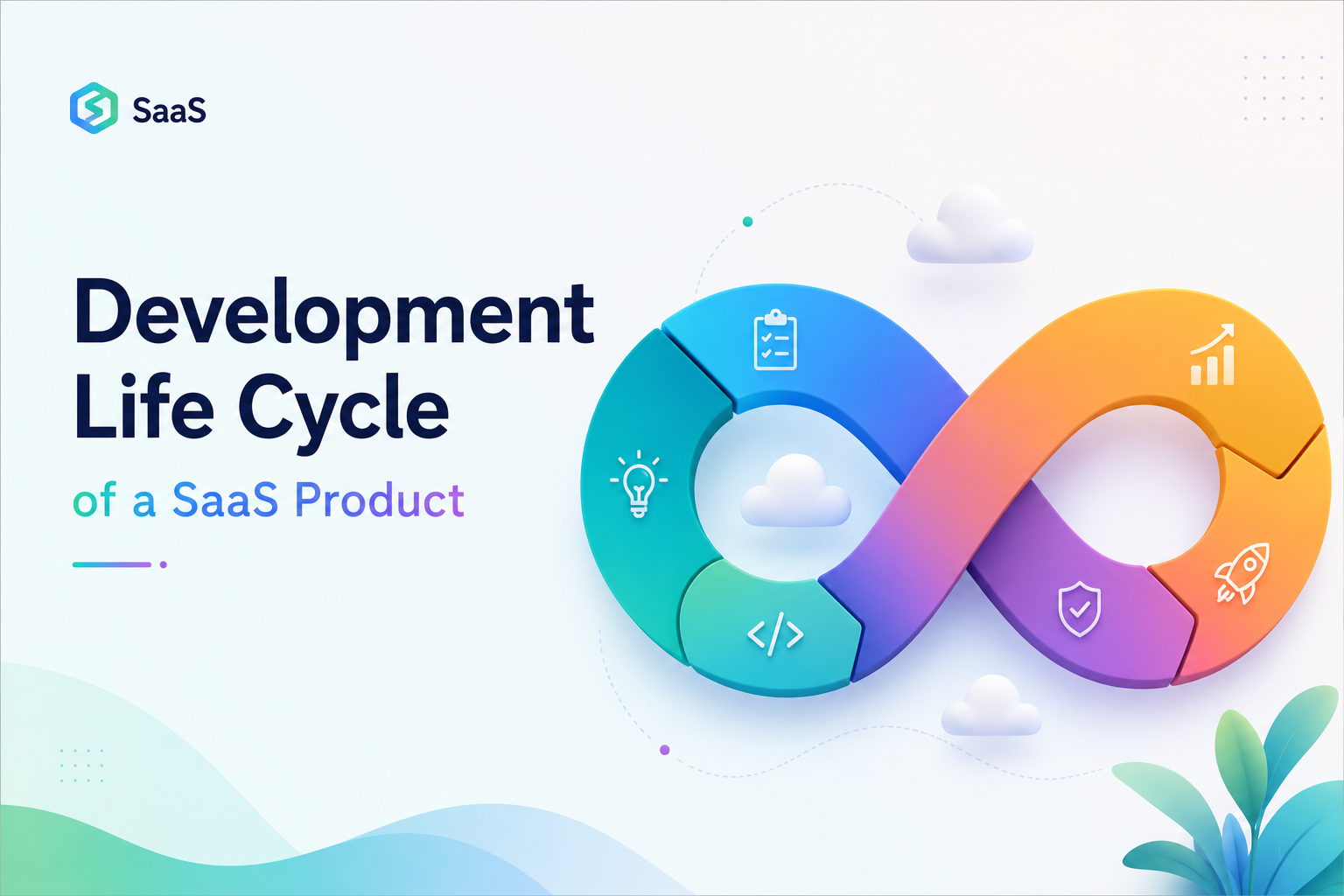
The Complete SaaS Development Lifecycle
A structured guide through every phase of building a SaaS product, from ideation to scaling.
Product architecture, development phases, launch strategy, and the operational decisions that separate SaaS products that scale from ones that don't.
Documentation · Free

Why this works: Authenticity is the product. Curation makes the decision for the reader. This is not a comprehensive directory — it's what actually gets used in practice.

Section Three

AI Literacy & Learning Path

Take the quiz to assess your level, or dive directly into the learning path. Always accessible — no gatekeeping.

0
Phase 0 • 0%

Orientation: What You're Actually Walking Into

Understand the intellectual history and conceptual structure of AI before writing a single line of code. Most people skip this. That is why most people remain confused about the difference between AI, ML, GenAI, and agents for years.

1
Phase 1 • 0%

Mathematical Spine

Build the mathematical intuition required to understand why neural networks work — not just that they do. You do not need a PhD in mathematics. You need honest fluency in four areas.

2
Phase 2 • 0%

Classical Machine Learning

Understand the learning paradigm — how a system extracts patterns from data — before entering the complexity of deep learning. These methods are still used in production daily. Understanding them makes you better at understanding deep learning.

3
Phase 3 • 0%

Deep Learning

Understand how multi-layer neural networks learn representations from data — and why they work at all. This phase covers the fundamental building blocks of everything that comes after.

4
Phase 4 • 0%

The Transformer Revolution

Understand the architecture that powers every major AI system of the modern era. The transformer is not a trend. It is the current fundamental unit of intelligence in AI systems.

5
Phase 5 • 0%

Foundation Models and the LLM World

Understand how LLMs are built, trained, aligned, and deployed. Move from understanding the architecture to understanding the ecosystem — prompt engineering, fine-tuning, multimodality, and the full stack of modern AI applications.

6
Phase 6 • 0%

Agentic AI

Understand AI agents — systems that can perceive, reason, plan, and act in the world across multiple steps. This is the current frontier of applied AI and the area evolving fastest.

7
Phase 7 • 0%

The Hard Problems

Engage seriously with the unsolved problems in AI — the challenges that define the research frontier and that separate people who use AI from people who advance it.

8
Phase 8 • 0%

Building: From User to Creator

Build production-quality AI systems. Move from understanding models to shipping systems. This is where technical fluency meets product thinking.

9
Phase 9 • 0%

The Frontier

Develop the ability to track, understand, and eventually contribute to the research frontier. Not every practitioner becomes a researcher. But understanding what is happening at the frontier changes how you build and what you see as possible.

Overall Progress
0%
Timeline

Recommended Learning Sequence

12 months of serious, consistent engagement. Every phase earns the next one.

Month
Primary Focus
Secondary
1–2
Phase 0 (orientation) + Phase 1 (math)
Begin Python if needed
3–4
Phase 2 (classical ML)
First Scikit-learn project
5–6
Phase 3 (NLP)
Build a text classifier; implement TF-IDF from scratch
7–9
Phase 4 (deep learning)
Build a CNN; implement backprop from scratch
10
Phase 5 (reinforcement learning)
Implement Q-learning on CartPole
11–12
Phase 6 (transformers)
Build a GPT following Karpathy
13–15
Phase 7 (LLMs)
Build first RAG application; prompt engineering experiments
16–17
Phase 8 (generative models)
Run Stable Diffusion locally; read the DDPM paper
18–19
Phase 9 (agents)
Build a tool-using agent with LangGraph
20–21
Phase 10 (hard problems)
Read papers; write responses; engage Alignment Forum
22–24
Phase 11 (building)
Ship something real with evals, monitoring, and users
25+
Phase 12 (frontier) + continuous
Weekly paper review; track labs; start contributing

This roadmap will evolve. The field does not stay still. The measure of whether you have internalized it is not whether you reach Phase 12 — it is whether, by Phase 9, you are starting to generate your own questions about what comes next.